Health & care
The conditions that matter most in Great Danes, when they tend to appear, and the checks that catch them early.
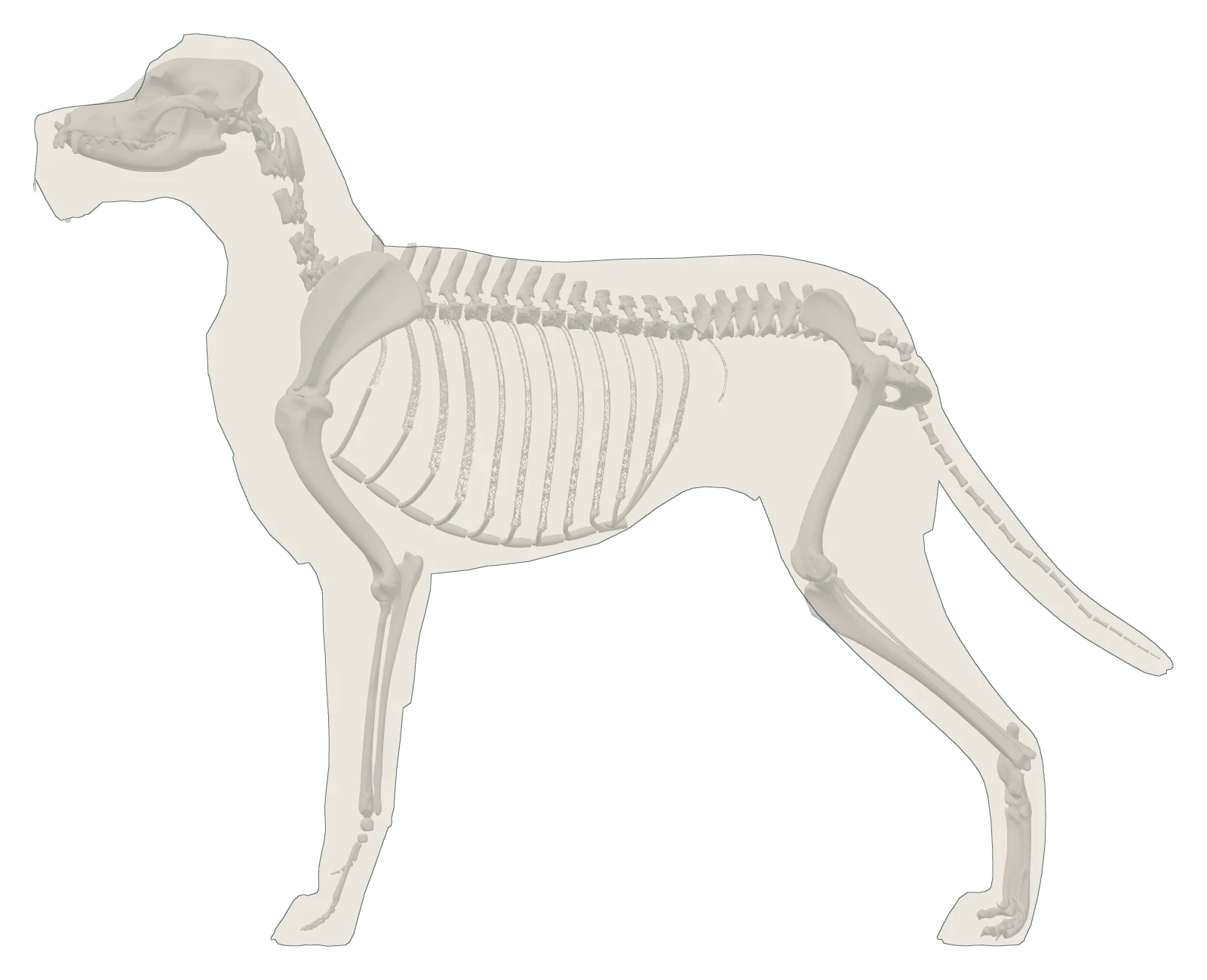
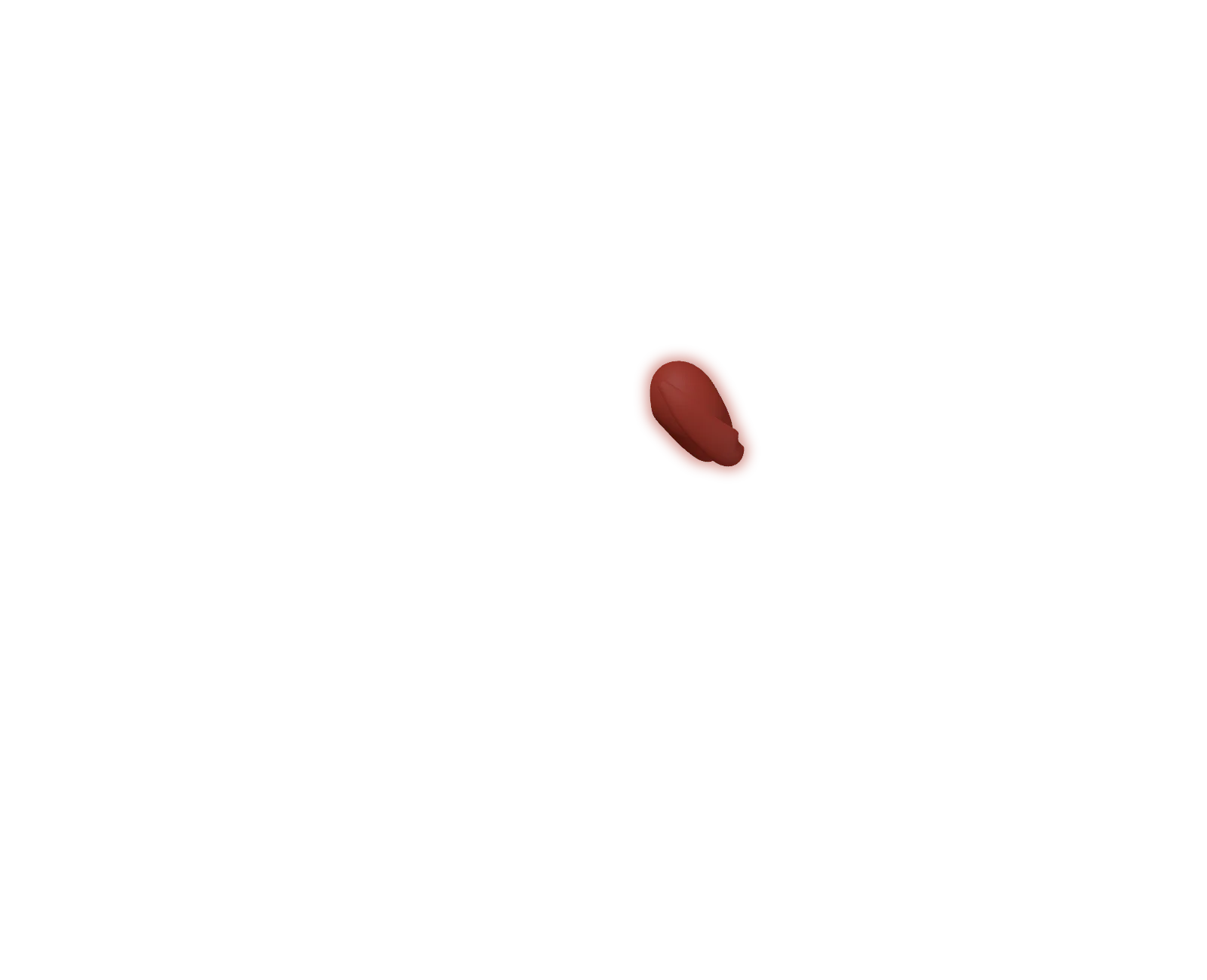

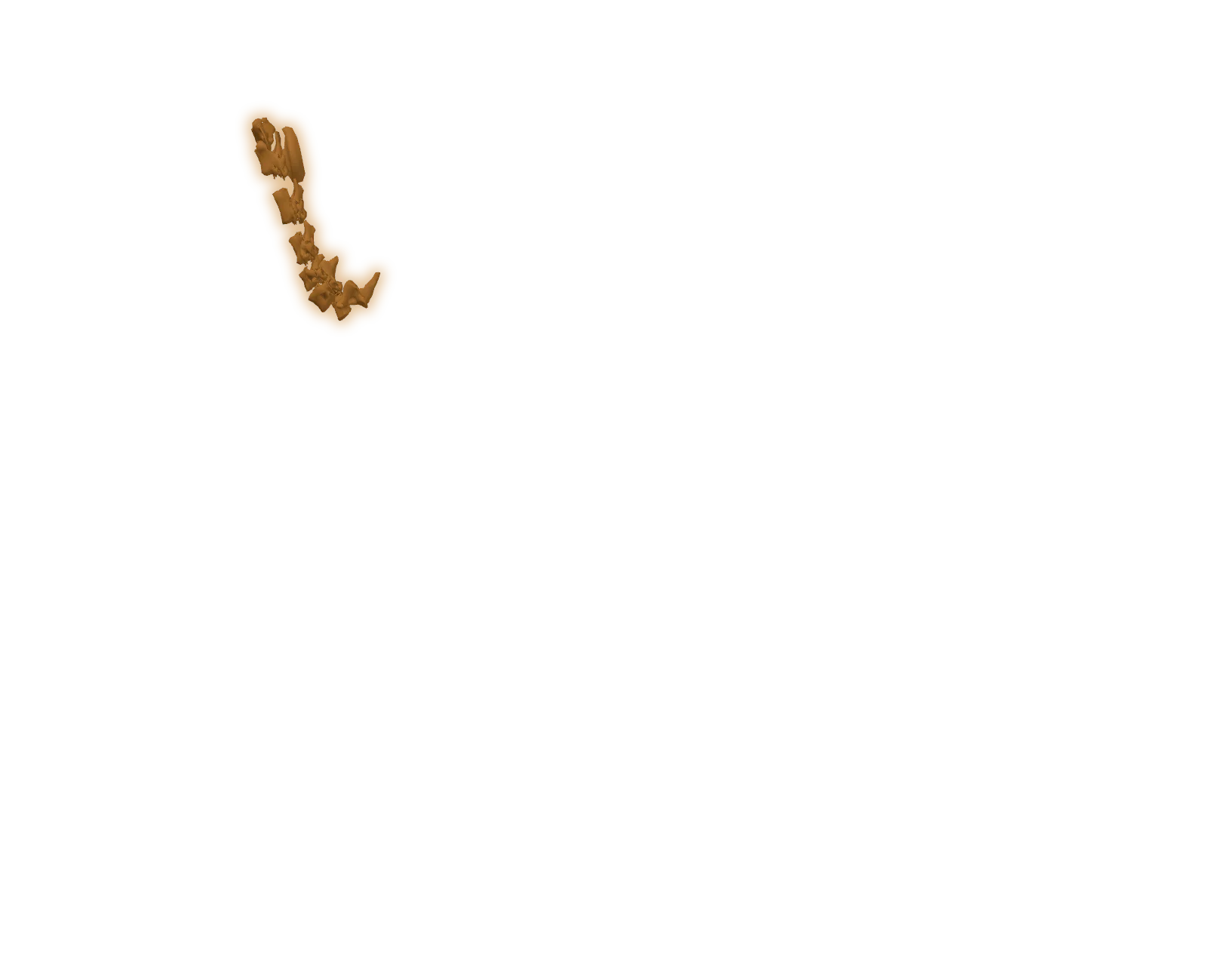
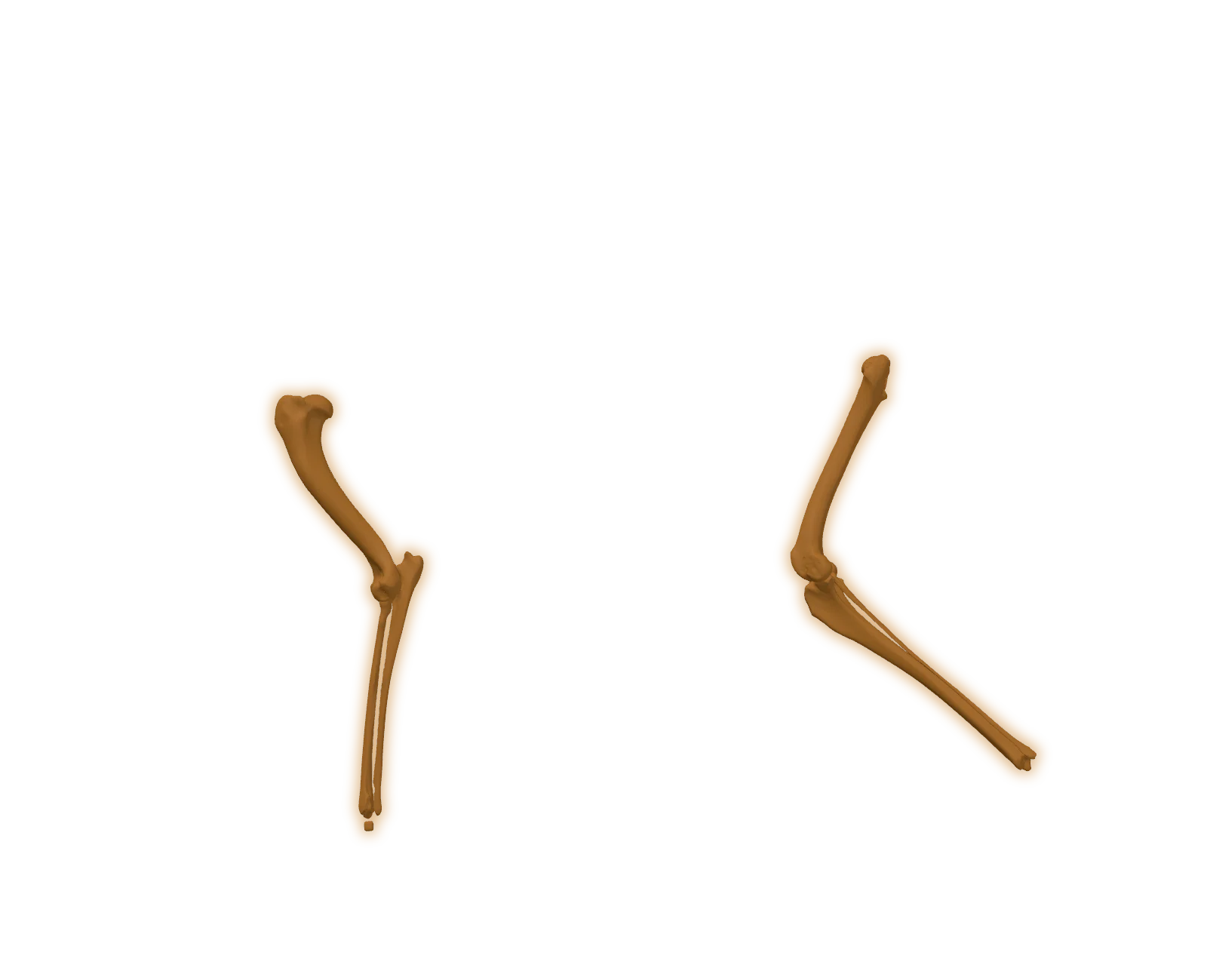
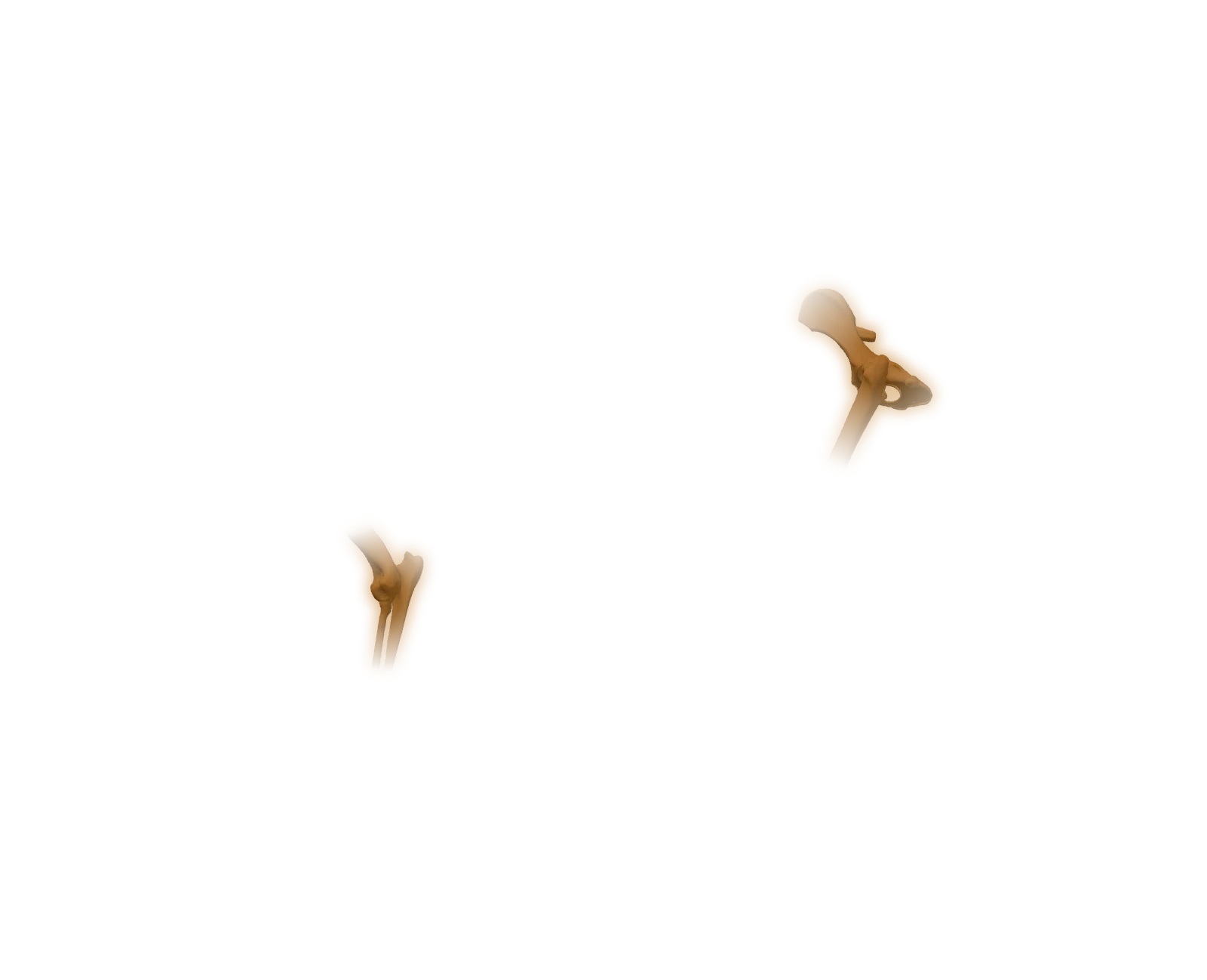




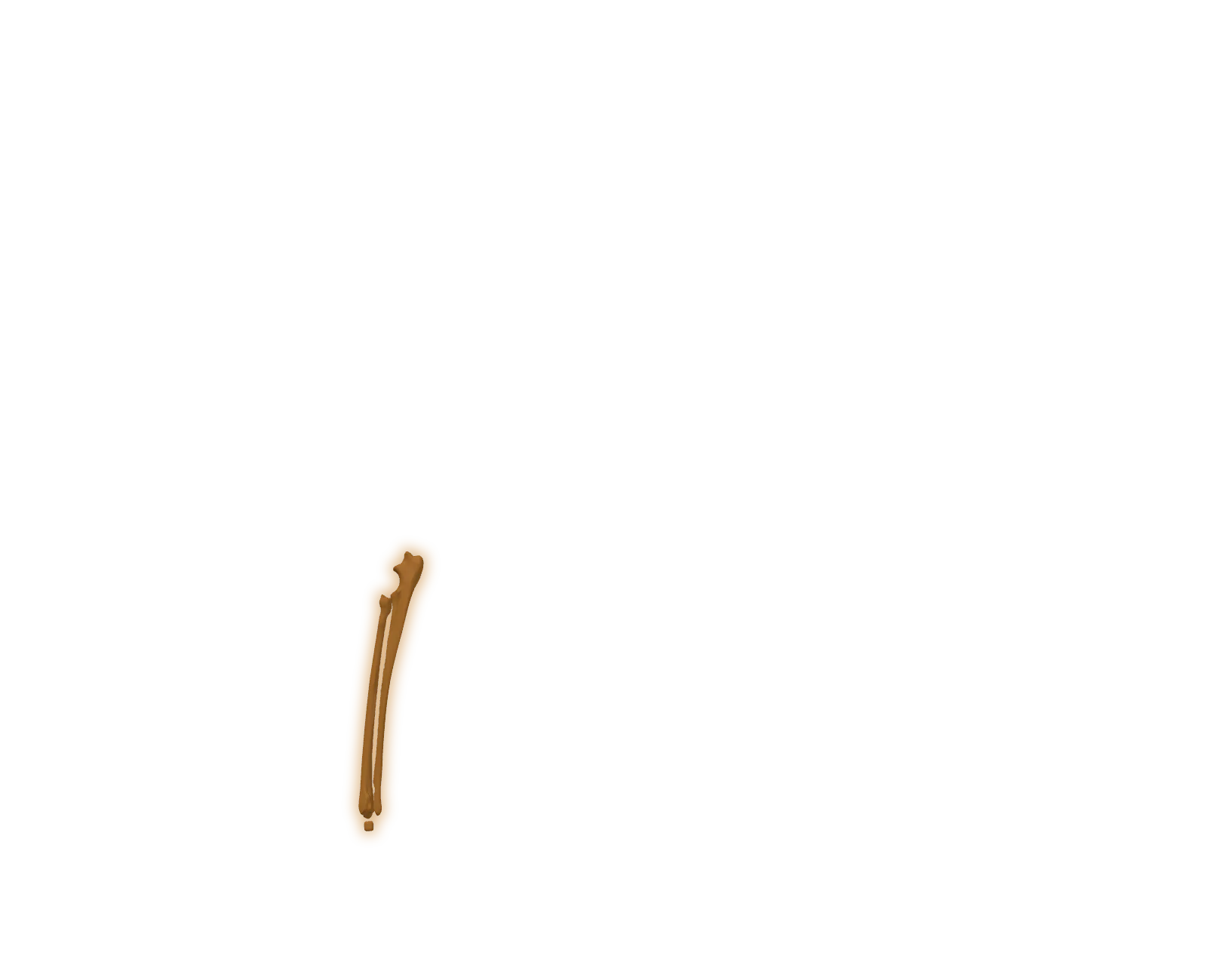
Point at a condition to see where it affects the body. Choose it to read the guide.
The conditions to know
Serious conditions
Also called GDV, gastric torsion
The stomach fills with gas and can twist on itself. The twist traps the gas, cuts off blood to the stomach wall and reduces blood returning to the heart. It gets worse quickly and needs emergency treatment.[1]
Treatment means stabilising the dog (fluids, oxygen), letting the gas out, then surgery to untwist the stomach and fix it to the body wall (gastropexy).[1]
What raises the risk
- Getting older: risk rises with age.[2,3]
- A parent, sibling or offspring that has had GDV.[3]
- Eating fast.[3]
- A raised food bowl. In one large study about half (52%) of GDV cases in the giant breeds studied were attributed to raised bowls.[3]
- A large amount of food per meal, and highest of all when that large meal is fed once a day.[4]
- A deep chest.[1]
What owners can do
- Feed two or more smaller meals a day instead of one large meal.[4,36]
- Feed from a bowl at floor level unless your vet advises otherwise.[3]
- Avoid vigorous exercise around mealtimes.[36]
- Ask the breeder whether any close relatives have had bloat.[3,42]
- Talk to your vet about a preventive gastropexy (below).[1,36]
Open the bloat emergency checklist · Read about preventive gastropexy
Also called DCM
In DCM the heart muscle weakens and the chambers stretch, so the heart pumps poorly. Great Danes are predisposed.[17,18]
Many dogs have no signs when screening first finds it (21 of 34 dogs with DCM in one Great Dane study). It can show up as heart failure, an irregular rhythm (atrial fibrillation or ventricular arrhythmias) or sudden death.[19,18,17]
Inheritance
Screening
- An echocardiogram (heart ultrasound), ideally by a cardiologist, is how DCM is confirmed.[36,38]
- A 24-hour Holter ECG picks up rhythm problems that a short check can miss. Ventricular arrhythmias were found in 54% of affected UK Danes.[17,20]
- A troponin I blood test is a useful extra. Raised levels were linked to shorter survival and sudden cardiac death in Great Danes.[19]
- How often: the GDCA says repeat heart testing at least every 2–3 years, and the Great Dane Society of Queensland recommends a heart check at least yearly. For Dobermans, cardiologists recommend yearly echo plus Holter from age 3, because one normal screen does not rule out later DCM. We found no Great Dane-specific guideline.[36,42,20]
The diet question, stated carefully
- The US FDA investigated reports of DCM in dogs eating certain diets. More than 90% of the foods named in reports were grain-free, and 93% contained peas and/or lentils. The FDA says reports alone cannot establish cause, and it has published no updates since December 2022.[21]
- Current veterinary nutrition research links it to diets high in pulses (peas, lentils, chickpeas, beans), grain-free or not, rather than to a lack of grains. The exact cause is still unknown, and some dogs improve slowly when their diet is changed.[22]
- Diet-associated DCM has been seen in breeds with and without a genetic risk. For a Great Dane, diet is one question to raise with your vet. It does not replace heart screening.[22]
Also called cervical spondylomyelopathy
The spinal cord is squeezed in the neck. It is a common and long-debated condition of large and giant breeds: it has had 14 different names and 21 proposed operations.[25]
In Great Danes it is usually the bony (osseous-associated) form, where the bones and joints of the neck narrow the spinal canal, and it tends to start younger. Dobermans more often have the disc-associated form in middle age.[27,24,26]
Signs
Diagnosis and treatment
- MRI is the best test; CT is also used.[23,24]
- With medical management (rest, anti-inflammatories), about 50% improve, 30% stay stable and 20% worsen.[23]
- Outcome depends on how severe the signs are, how much the cord is compressed and how long it has been going on.[24]
- There is no reliable screening test. Dogs Victoria suggests breeders consider neck X-rays.[42,39]
Also called osteosarcoma
Osteosarcoma is by far the most common bone tumour in dogs, over 85% of them. About 75% arise in the legs, and it spreads mainly to the lungs and other bones.[28,30]
Bone cancer and lymphoma appear to be the two cancers most often seen in Great Danes.[36]
Where it grows
- “Away from the elbow, towards the knee”: near the shoulder (upper humerus), just above the wrist (lower radius), just above the knee (lower femur) and just below it (upper tibia).[30]
Signs
Diagnosis and outlook
- X-rays of the leg and chest, a biopsy, and sometimes a CT or whole-body bone scan.[28]
- Treatment is amputation or limb-sparing surgery, with chemotherapy recommended. Median survival: 90–175 days with comfort-focused (palliative) care, 235–366 days with treatment aimed at cure, with up to 33–65% alive at one year.[28]
- In an adult Dane, do not put a persistent limp down to a sprain. Ask your vet whether X-rays are needed.[28,30]
Also common in the breed
Growing puppies: see Nutrition & growth.
- In dogs it is generally caused by a heritable immune disorder.[36]
- Signs: weight gain without eating more, lethargy, hair loss, feeling the cold, and skin or ear infections. It usually starts in middle age (average 6–7 years).[32]
- Diagnosed with blood tests and treated with a hormone tablet for life, with regular blood checks.[32]
- In UK primary-care records, Great Danes had about 150 times the odds of ectropion (droopy, out-turned lids) of crossbreds, and about 1.5% of Danes had it recorded in a year.[31]
- They also had about 11 times the odds of entropion (in-rolled lids).[31]
- Entropion is inherited, and the in-rolled lid irritates the eye. Some cases need corrective surgery.[42,31]
- A fluid-filled swelling over a pressure point, usually the elbow, caused by lying on hard surfaces again and again. Great Danes are among the breeds most prone.[33]
- Most common in adolescence (6–18 months) or in older dogs with arthritis.[33]
- Thick, soft bedding and padding help prevent it. Large or long-standing hygromas may need surgery, and complete removal had fewer complications than drains in one small series.[33,34]
Have a bloat plan before you need it
Bloat (GDV) is the breed's best-known emergency: the stomach fills with gas and can twist, and it gets worse within hours.[1] Print the checklist, keep your emergency vet's number on it, and talk to your vet about a preventive gastropexy.
Prevention
Preventive gastropexy (“stomach tack”)
- A preventive gastropexy permanently attaches the stomach to the inside of the right body wall so that it cannot twist.[1,7,9]
- It is often done under the same anaesthetic as desexing.[1]
What the evidence shows
- A decision analysis estimated that preventive gastropexy would cut a Great Dane's lifetime risk of dying from GDV about 30-fold (29.6-fold).[5]
- In 766 dogs given a preventive gastropexy (mostly open surgery, often alongside another abdominal operation), problems at the gastropexy site itself were rare (3 dogs, 0.4%). None of the 446 dogs followed up long term (median about 2.4 years) developed bloat or GDV.[7]
- Keyhole-assisted gastropexy: none of 49 dogs developed GDV over a median of about 2 years (698 days).[8]
- After a first GDV, dogs that had a gastropexy lived longer (median 547 days) than dogs that did not (188 days).[6]
- In a small pilot study published in the Australian Veterinary Journal, stomach movement and emptying were unchanged after a keyhole gastropexy.[12]
What it does not do
- It does not stop the stomach filling with gas (bloat). A dog with a gastropexy that shows bloat signs still needs an emergency vet.[1]
- Rare failures are reported: a case of GDV after an intact incisional gastropexy (done after an earlier GDV).[13]
- Rare complications are reported, including a Great Dane gastropexied at 6 months whose stomach was fixed out of position, causing vomiting.[14]
- One police-dog study suggested a possible link with twisting of the intestine (mesenteric volvulus). The result was not statistically significant, and the authors still recommend preventive gastropexy.[15]
Open or keyhole?
Open surgery
Done through a standard incision along the belly, often at the same time as desexing.[1]
For Problems at the gastropexy site were rare (0.4%) in a large series that was mostly open surgery.[7]
Against Longer incision (average 129 mm against 46 mm in one experimental comparison) and more surgical stress than keyhole.[11]
Keyhole (laparoscopic-assisted)
A camera is used through one or more small ports, with a much shorter incision than open surgery.[10,11]
For Shorter surgery and incision, with lower stress markers, in a randomised experimental study. Pain scores were similar.[11]
Against Minor wound problems (mostly fluid pockets called seromas) are common, 19–30% across studies, and nearly all settle without more surgery. In the largest series, single-port surgery had about twice the odds of wound problems of multi-port.[10,8]
Fully laparoscopic
The whole procedure is done inside the abdomen through ports.[9]
For No GDV in 40 dogs followed for a median of 522 days.[9]
Against In one series the median surgery time was 90 minutes and anaesthesia 195 minutes. One dog needed revision surgery for suspected entrapment of the colon around the gastropexy.[9]
When is it done?
- Commonly timed with desexing. In a series of 44 dogs (median weight 48.5 kg), the median age at surgery was 17 months (range 6–60 months).[1,9]
- Desexing age for giant breeds is its own decision. AAHA suggests waiting until growth stops (9–15 months) for large-breed dogs, so discuss both together with your vet.[48]
Studies differ in size, technique and follow-up time, so ask your vet or surgeon which method they recommend and what recovery looks like for a dog your size.
Emergency checklist · Great Dane
Suspect bloat? Go to an emergency vet now.
Signs: any one of these is enough
- Swollen, tight or drum-like belly[1]
- Retching or trying to vomit, bringing up little or nothing[1]
- Drooling[1]
- Restless, anxious, standing and stretching, unable to settle[1]
- Panting, weakness or collapse[1]
Do this, in order
Fill in now and keep it on the fridge
Educational only, not veterinary advice. Numbers in brackets refer to the sources listed on the Health & Longevity page of the Great Dane hub.
What to watch for, and when
When problems tend to show up
Typical ages from the studies and vet sources behind this guide. Choose a row to read more.
Puppy
Birth until rapid growth stops (about 6–9 months, varying with breed and size)[47]
- Ask the breeder for the parents' hip, elbow, heart, eye and thyroid results.[36,39]
- Learn the bloat signs and save your emergency vet's number now.[1]
- Watch for growth-related limping (HOD, panosteitis) and puppy-onset Wobbler signs.[36,24]
- Watch the eyelids for entropion or ectropion, which are most often diagnosed at 1–2 years of age.[31]
Young adult
End of rapid growth until about 3–4 years[47]
- Decide on desexing and preventive gastropexy timing with your vet.[1,48]
- Hip and elbow X-rays from 12 months if you want your dog scored.[40]
- Ask your vet about a first cardiology screen (echo, plus Holter where available).[36,20]
- Wobbler signs in Great Danes often appear by this age (mean about 3 years).[23,24]
Mature adult
About 3–4 years until the last 25% of expected lifespan[47]
Senior
The last 25% of expected lifespan. Our calculation: with typical Great Dane lifespans of about 6–10 years, this starts somewhere between about 4½ and 7½ years.[47,43,39]
The health tests clubs recommend
Choose a test for what it checks, when to do it and where results go.
What it checks
X-ray scoring for hip dysplasia; PennHIP measures joint laxity.[40,41]
When
CHEDS from 12 months (microchip or tattoo required), though changes are often not fully evident before 24 months. PennHIP from 4 months.[40,41]
Notes
Recommended by the GDCA (US) and Dogs Victoria. Australian results go into Dogs Australia's ORCHID database.[37,39,40]
What it checks
Echocardiogram by a cardiologist; a 24-hour Holter and troponin I blood test can be added.[36,20,19]
When
Repeat through life: the GDCA says at least every 2–3 years, and a Queensland club says a heart check at least yearly.[36,42]
Notes
A listening-only (auscultation) result is not the same as an echo result.[38]
How long do Great Danes live?
Study data put the typical Great Dane lifespan at about 6–7 years: a median of 6 years in English vet records, and more than half of insured Swedish Danes had died by 8. Kennel clubs quote 7–10 years. The figures differ because the sources used different countries, eras and data (vet records, insurance, owner reports). Many Danes live beyond these averages.[43,44,39,46]
Cancer, bloat and heart disease are the leading causes of death in the breed, which is why screening and a bloat plan matter.[45,36,44]
How many Danes reach each age
Points are from one large insurance study; the line simply joins them. Other studies and kennel-club figures are marked below.
Swedish insurance data, over 350,000 dogs, 1995–2000: an estimated 28% of Great Danes had died by 5 years, 59% by 8 and 83% by 10.[44] Point at a marker for the other figures.